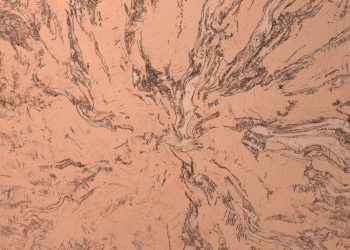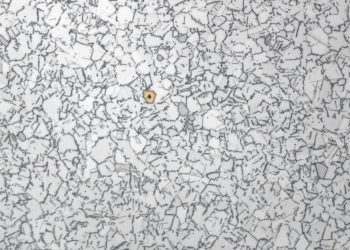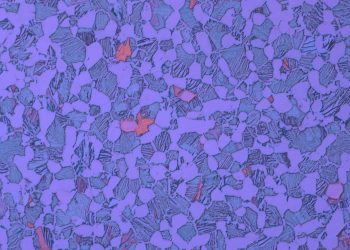
Update: Titanium alloys are typically etched using a grain boundary etchant such Kroll’s or 2% HF. In the case of alpha case evaluations, a tint etch such as ammonium fluoride is used to provide greater contrast between the alpha...
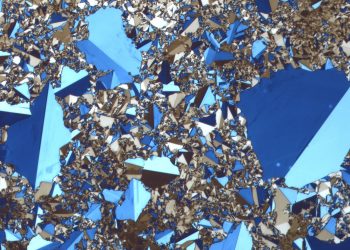
So this post be a bit outside the typical scope of this blog being that it’s not technically metallography. Silicon carbide is a semiconductor which takes the form of hard grains that are often used to manufacture abrasives. These...
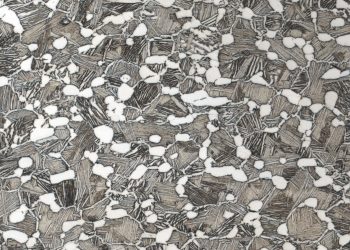
Alpha-beta titanium alloys are commonly used in aerospace applications where high strength and low weight are key performance drivers. Alpha beta titanium alloys are capable of matching the strength of high strength steels while having nearly half the mass....