


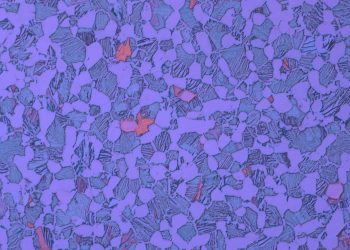
Update: Titanium alloys are typically etched using a grain boundary etchant such Kroll’s or 2% HF. In the case of alpha case evaluations, a tint etch such as ammonium fluoride is used to provide greater contrast between the alpha...
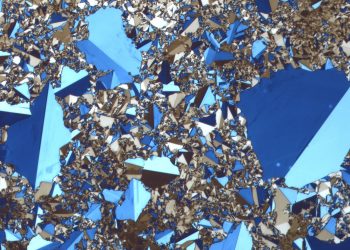
So this post be a bit outside the typical scope of this blog being that it’s not technically metallography. Silicon carbide is a semiconductor which takes the form of hard grains that are often used to manufacture abrasives. These...
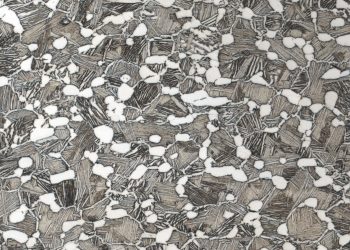
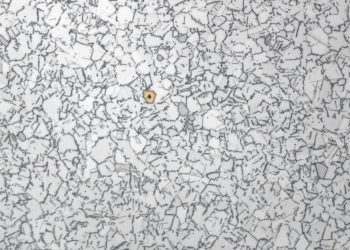
Alpha-beta titanium alloys are commonly used in aerospace applications where high strength and low weight are key performance drivers. Alpha beta titanium alloys are capable of matching the strength of high strength steels while having nearly half the mass....

Itís nearly impossible to find well-informed people for this topic, but you seem like you know what youíre talking about! Thanks
May I simply say what a comfort to discover somebody who genuinely knows what they are talking about over the internet. You actually understand how to bring a problem to light and make it important. More people ought to check this out and understand this side of the story. I cant believe you arent more popular because you surely possess the gift.
If some one desires to be updated with most recent
technologies therefore he must be pay a quick visit
this web site and be up to date every day.
Hello! I’ve been following your web site for a while
now and finally got the courage to go ahead and give
you a shout out from Huffman Tx! Just wanted to mention keep up the excellent work!
It is really a nice and useful piece of info. I’m satisfied that you just
shared this helpful info with us. Please stay us up to date like this.
Thanks for sharing.
You need to be a part of a contest for one of the greatest websites on the internet.
I am going to highly recommend this website!
Hi are using WordPress for your site platform? I’m new to the blog world but I’m trying
to get started and set up my own. Do you need
any coding knowledge to make your own blog? Any help would
be greatly appreciated!